
Who Pays for Curb Repair in NYC: The City or the Property Owner?
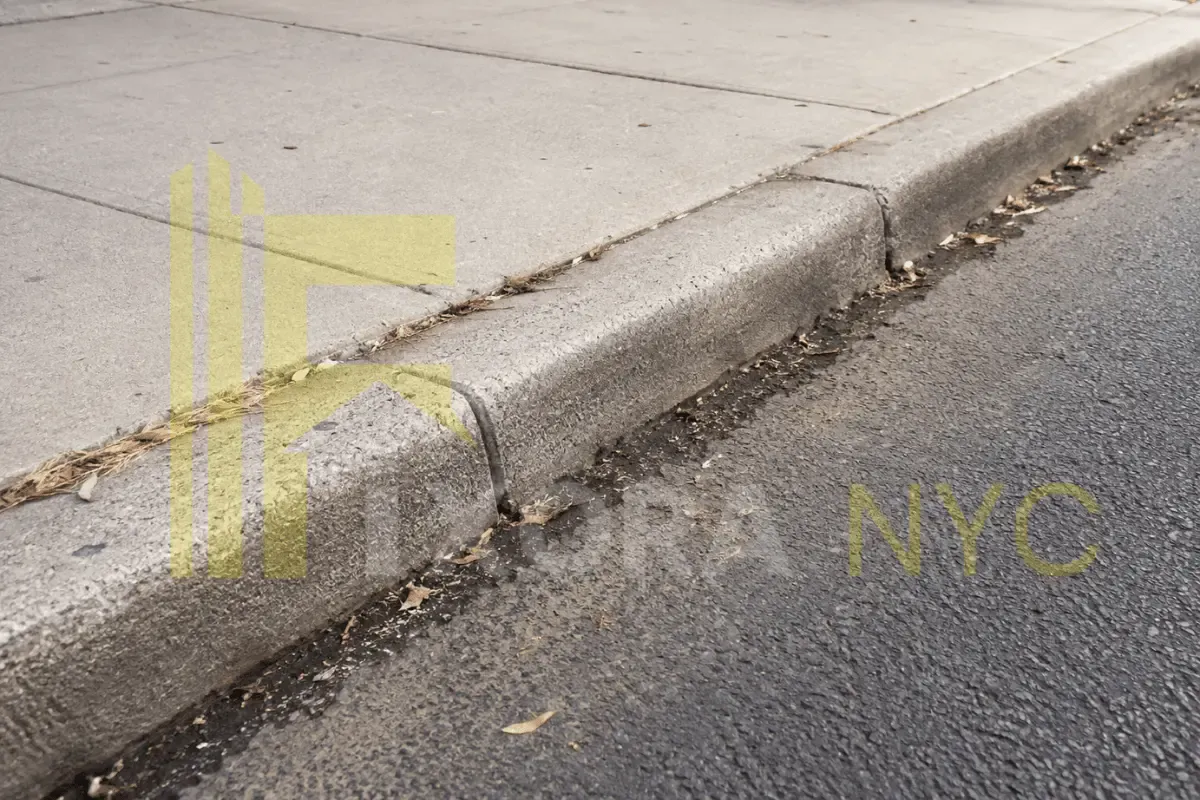
Curbs don't get nearly as much attention as the sidewalks beside them, but they're doing a lot of quiet, important work. They keep pedestrians safe, manage rainwater runoff and help keep vehicle traffic where it belongs. If you've ever noticed a crumbling or missing curb near your property and wondered whether it's your problem to fix, here's something that might come as a relief: in most cases, it isn't.
Unlike sidewalks, which fall squarely on the property owner's shoulders, curbs are considered part of the roadway in New York City. That means they're owned by the City, and the NYC Department of Transportation (DOT) is the agency responsible for their installation and repair. That said, city ownership doesn't mean problems get fixed automatically. There's a process involved, and understanding how it works can make a real difference in how quickly a damaged curb near your property gets addressed.
When Does the City Fix Curbs?
The DOT conducts regular inspections of streets and curbs as part of its citywide maintenance program. Repairs can also be triggered when a problem is reported through 311, which is exactly why residents reporting issues matters more than most people realize.
When it comes to prioritizing which curbs get fixed first, the DOT generally weighs a few key factors. A broken curb that's creating an active safety hazard, for example, making it difficult for pedestrians to navigate or blocking wheelchair access, is more likely to move up the list. Curbs located in areas already slated for larger city projects, like road resurfacing or water main work, are often addressed as part of that broader scope as well.
Beyond that, repair timelines typically come down to how severe the damage is, how significantly it's affecting public safety, and whether the curb sits in a high-traffic or flood-prone area. There's no fixed schedule, but reporting a problem is the most reliable way to get the process started.
Do Property Owners Have to Pay for Curb Repairs?
In most cases, no. Curb repairs are the city's financial responsibility, and property owners generally won't see a bill for the work. What the city does ask of homeowners and business owners is straightforward: if you spot a problem, report it. A cracked, missing or broken curb near your property isn't something to shrug off and assume someone else will notice. A quick 311 report is often what sets the repair process in motion.
There's one practical note worth keeping in mind, though. If you're already in the middle of sidewalk repairs with the help of your local licensed contractors, the DOT recommends taking care of any adjacent curb issues at the same time. Coordinating both projects together prevents future complications and tends to save time and hassle in the long run.
How to Report a Damaged or Missing Curb
If you've spotted a curb near your home or business that looks cracked, sunken, or missing altogether, reporting it takes only a few minutes:
-
Call 311 directly
-
Or submit a curb repair request online through the NYC 311 portal
When you file your report, make sure to include the exact address of the problem. The DOT will send an inspector out to evaluate the site, and if the curb qualifies for city repair, the work will be scheduled, typically at no cost to you.
Conclusion
Curbs might be easy to overlook, but they're doing essential work every single day, protecting pedestrians, channeling stormwater, and keeping traffic organized on some of the busiest streets in the world. The good news for property owners is that the city handles most curb repairs, as long as residents take a moment to flag problems when they see them.
So if the curb outside your building has seen better days, don't put it off. A quick call to 311 is all it takes, and it could make your block meaningfully safer for everyone who walks, rolls or drives past it.
While the city takes care of curbs, your sidewalk is a different story. It's squarely on you to maintain it in a reasonably safe condition. If you are dealing with a crumbling sidewalk or found a violation notice in your mailbox, give us a call for a free consultation. Let our trusted sidewalk professionals handle the entire repair process from start to finish to ensure a hassle-free experience and get the work done right the first time.