
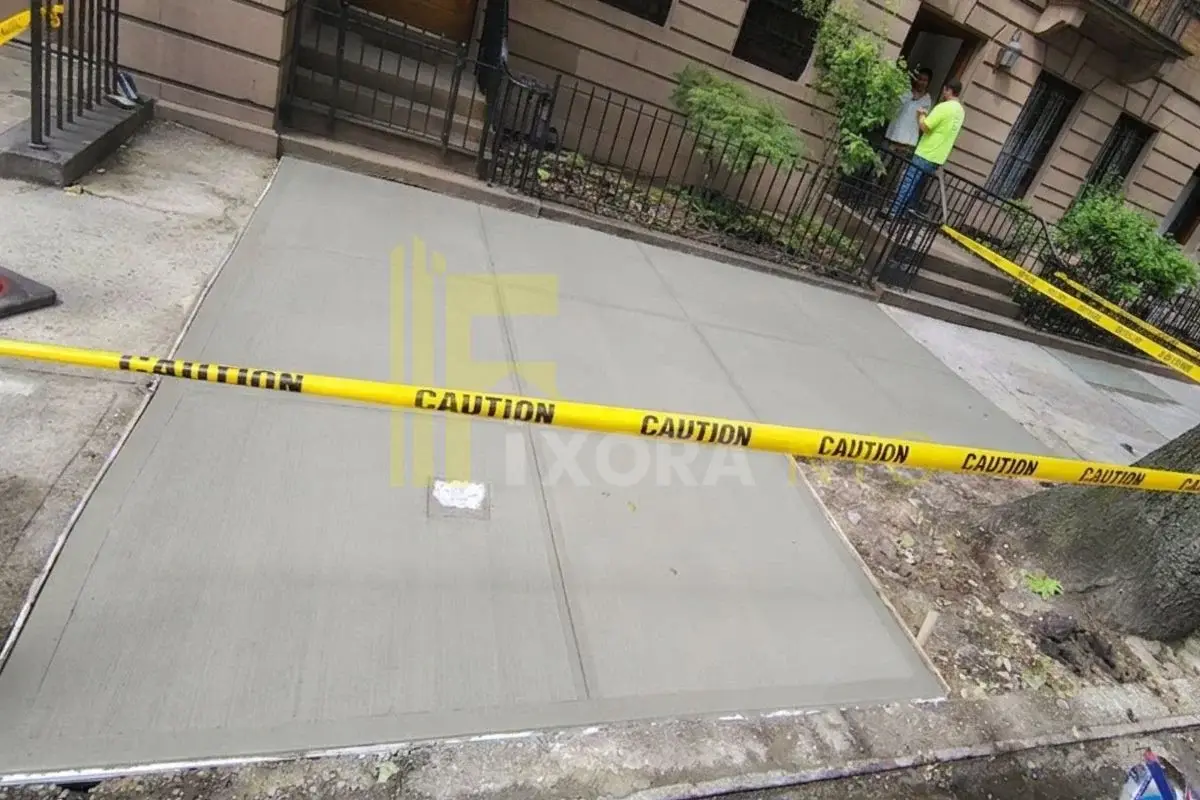
What Every NYC Property Owner Needs to Know About Sidewalk Laws
Owning property in New York City comes with more responsibilities than most people think, and one that tends to fly under the radar is sidewalk maintenance. Whether you're a first-time homeowner or a seasoned commercial property holder, NYC's sidewalk laws are something you genuinely can't afford to ignore. Failing to stay on top of them doesn't just create a safety hazard; it can land you in costly legal territory that no one wants to deal with.
In this guide, we're breaking down everything you need to know about these laws in simple terms, so you always know exactly what's expected of you and how to steer clear of unnecessary consequences.
Sidewalk Maintenance Laws
The New York City Department of Transportation (DOT) has established strict laws and regulations that govern how sidewalks must be maintained throughout the city.
The New York City Administrative Code Section (19-152) makes it clear that the responsibility for sidewalk maintenance, repairs, replacements, and installations falls squarely on the property owner. Section (17-210) goes even further, holding property owners liable for personal injuries that result from a defective sidewalk in front of their building. This applies across the board, i.e., residential, mixed-use, and commercial properties alike.
Section 19-152 also outlines the specific obligations owners hold when it comes to sidewalk and vacant lot maintenance, as well as the procedure the DOT follows when violations are identified.
If you own a property in NYC, you're required, at your own expense, to:
Maintain a sidewalk: Install, construct, reinstall, repave, or repair the sidewalk flags (slabs) directly in front of your property.
Vacant lots: Fence them in, fill any sunken sections, and cut down raised areas that pose a hazard.
When Are You Required to Fix Your Sidewalks?
The Department of Transportation inspects sidewalks on a regular basis across the city. If your sidewalk is found to have any of the following defects, you'll be required to address them right away:
- Missing or unbuilt sections
- Cracked or loose flags
- Trip hazards, including uneven flags (½ inch or more in difference) or surface holes (1" wide and ½" deep)
- Improper slope, such as poor drainage or steep cross slopes
- Hardware issues, like misaligned utility covers or unsafe cellar doors
- Structural cracks, particularly when connected to defective adjoining flags
- Non-compliant construction that doesn't meet DOT specifications
- Patchwork repairs made with asphalt or other substandard materials
When a sidewalk violation is found, the DOT sends a Notice of Violation by mail to the property owner and files it with the County Clerk as a lien on the property record. The notice includes a description of the specific defect, an accompanying image, and a deadline, typically 75 days, to get the issue resolved.
If the sidewalk presents an immediate danger to pedestrians due to a severe trip hazard, the city can issue an emergency repair order, giving you as little as 10 days to make the necessary repairs.
What If I Received an Invalid Notice?
If you believe the violation is inaccurate or the notice you received is invalid, you do have options. You can request a reinspection by filing a Notice of Claim with the NYC Comptroller within 75 days of receiving the violation notice. The DOT will then review your submission and schedule a reinspection within 180 days of receiving your request.
That reinspection will be carried out by a different inspector, someone who had no involvement in the original Preliminary Inspection Report. The second inspector's findings are considered final and cannot be further challenged, so it's worth taking the process seriously.
What If I Failed to Address My Sidewalk?
If you weren't able to hire a qualified contractor and correct the issue within the given timeframe, the DOT will step in and arrange for the repairs itself. Once the work is done, the city will send the bill directly to you through the Department of Finance.
That bill can include the total cost of the repair, labor costs, and an additional 20% administrative fee tacked on top. The amount becomes a lien on your property, similar to unpaid property taxes, which can restrict your ability to sell or refinance until it's settled. You'll have 90 days to pay after repairs are completed, and failing to do so means the balance will continue to grow with interest.
That said, if you own a 1-to-6 family home, your property is valued under $30,000, and the repair cost falls between $250 and $5,000, you may be eligible to request a 4-year payment plan. If the bill goes unpaid entirely, the city can foreclose the lien or take you to civil court.
When Would I Be Held Liable?
If your sidewalk falls into disrepair and someone is injured as a result, the legal responsibility rests with you, not the city. You'll be the one facing the legal penalties that follow.
There is one notable exception, however. If you own a 1-, 2-, or 3-family home in a residential area, you are not held personally liable for sidewalk-related injuries. In that specific scenario, the City assumes responsibility.
Conclusion
NYC's sidewalk laws might not be the most glamorous part of homeownership, but they're some of the most important. From keeping up with routine maintenance to responding quickly when violations arise, staying proactive is what protects you from costly fines, legal headaches, and genuine safety risks. Follow the DOT's regulations and address issues as they come up, you'll be doing your part to keep both your property and your city's streets safer for everyone who walks them.
Receiving a violation notice can feel overwhelming, especially when you're not sure what to do next or where to even begin. The good news? You don't have to figure it out alone. Give us a call and let our trusted sidewalk professionals at Fixora NYC take it from there. From assessing the damage and navigating DOT permit requirements to completing the repairs on time and to code, we handle the entire process from start to finish, so you can stop stressing and get back to what matters.