
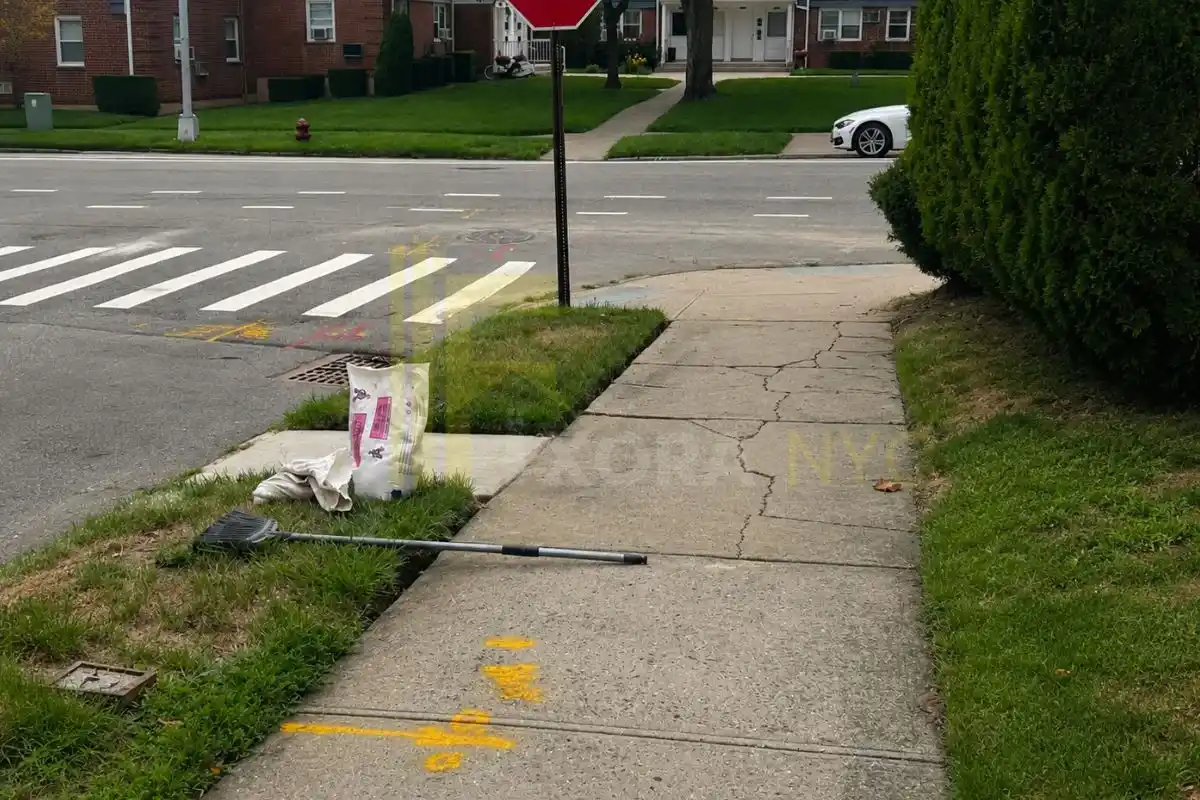
Can Tenants Be Held Liable for a Sidewalk Violation in NYC?
Usually no, the tenants cannot be held liable for sidewalk violations in NYC. The New York City Department of Transportation issues sidewalk violations to the property owner of record, not to whoever happens to be renting the space. But "usually" is doing a lot of work in that sentence, and if you're a landlord, a tenant or a property manager caught in the middle, the exceptions are exactly what you need to understand before a violation notice ever shows up.
Speak With a Concrete Step Expert Today (646) 922-9144
Here's the thing most people get wrong: they treat sidewalk liability like it's a single rule instead of a two-track system. There's what the City holds you to, and there's what your lease holds you to. Those are two completely different documents with two completely different answers and confusing them is how landlords and tenants end up in expensive disputes over who's cutting the check.
Who Actually Gets Cited by the DOT?
Under NYC's sidewalk maintenance framework, the obligation to keep the sidewalk in good repair sits with the abutting property owner as per NYC administrative code Section 19-15. That's the legal term for whoever owns the lot the sidewalk runs alongside. When a DOT inspector flags a defect during a routine sweep, a heaved slab, a trip hazard or a spalled or cracked panel, the violation gets mailed to that owner, full stop.
This holds true whether the building is a walk-up in Bed-Stuy or a ground-floor retail space in Long Island City. If you're leasing the unit, the notice isn't coming to you. It's coming to the name on the deed.
So Where Does a Tenant Come Into the Picture?
This is where a lot of tenants relax too early. The City's enforcement target and your personal financial exposure aren't the same thing and that gap gets bridged by the lease.
Certain lease structures explicitly push exterior maintenance costs onto the tenant, even though the owner remains the party legally answerable to the DOT. You'll see this most often in:
- Triple-net (NNN) leases, where the tenant covers taxes, insurance, and maintenance on top of base rent
- Single-tenant commercial buildings, where there's no shared common area to divide costs across
- Long-term retail leases, which often bake in exterior upkeep as a condition of occupancy
Picture this: a restaurant leases an entire building in Queens under a triple-net structure. The DOT cites the property owner for a cracked sidewalk panel out front. Legally, the City doesn't care who's inside the building, the owner is on the hook. But if the lease includes a reimbursement clause for exterior repairs, that owner turns around and bills the restaurant. The violation and the invoice end up on two different desks.
Residential Tenants are Rarely Liable
If you're renting an apartment, the odds of ever touching a sidewalk violation are slim. Say you're leasing a unit in Brooklyn, and tree roots have buckled the concrete out front, that's a landlord problem, full stop, in the overwhelming majority of leases.
Unless your lease has an unusual clause assigning exterior maintenance to you (rare for residential units) or you personally caused the damage, this isn't something you need to lose sleep over.
What About Commercial Tenants
Commercial leases are a different animal entirely. A lot of business owners sign agreements that quietly transfer maintenance duties for the surrounding property and sidewalks, curbs, snow removal, and other exterior repairs get named specifically often enough that it's worth flagging.
Because every commercial lease is negotiated separately, two storefronts on the same block can carry entirely different obligations. One tenant might owe nothing beyond rent; the next might be contractually responsible for every square foot of concrete out front.
Before signing, walk through these sections line by line:
- Maintenance and repair obligations
- Exterior and common area upkeep
- Indemnification language
- Compliance-with-violations clauses
One buried paragraph can shift a five-figure repair bill from the owner's balance sheet to yours.
What If the Tenant Caused the Damage?
Different question, different answer: yes, you can be held responsible here.
If a moving crew, a dumpster drop-off, an outdoor dining structure, or a construction crew working on your behalf cracks or displaces sidewalk concrete, the DOT still cites the owner, and that part of the process doesn't change. But the owner has every right to pursue you or your contractor for the cost of repair. Causing the damage and being cited for it are two separate legal tracks, and tenants sometimes assume that because the violation goes elsewhere, so does the bill. It doesn't.
Does a Landlord Ignoring a Violation Shift Liability to the Tenant?
No, and this trips people up constantly. A landlord sitting on an open violation doesn't transfer any responsibility downstream to whoever's renting the space. The owner stays on the hook.
If the repair keeps getting delayed, the City can eventually step in, perform the work itself, and recover the cost through a lien or an assessment against the property. That process runs entirely through the owner. Tenants generally aren't exposed to DOT enforcement action just because their landlord dragged their feet.
Common Misconceptions
"The tenant pays because they occupy the property." Occupancy alone creates no liability. Liability comes from either the DOT's records (owner) or the lease (contractual).
"Commercial tenants are always on the hook." Not automatically. It depends entirely on what the lease says, and plenty of commercial leases assign nothing to the tenant.
"Residential renters can get cited directly. " Almost never. The violation notice follows the deed, not the lease.
"If a tenant damages the sidewalk, there's no consequence for them." Wrong. The City still cites the owner, but the owner can pursue the tenant for repair costs separately.
What Tenants Should Actually Do
If you're signing or already holding a commercial lease, don't take the landlord's word for who handles sidewalk repairs. Read the maintenance and compliance sections yourself. Look specifically for language tied to exterior upkeep, sidewalk repair obligations, and city violation compliance.
If you're already in a dispute over who owes what, that's the point to loop in an attorney or a real estate professional who can walk through the lease with you before costs escalate further.
Conclusion
Can a tenant be liable for a sidewalk violation in NYC? As far as the DOT is concerned, no, that responsibility sits with the property owner. But contractual liability is a separate matter entirely, and triple-net leases, single-tenant buildings and tenant-caused damage can all shift real costs onto the tenant even when the violation never carries their name. For residential renters, this is rarely a concern. For commercial tenants, the real answer isn't in the DOT's rulebook, but it's in the lease sitting in your filing cabinet.
Whether you're an owner facing a DOT notice or a tenant trying to figure out what your lease actually says, guessing isn't a great strategy, since sidewalk repairs get more expensive the longer they sit. Reach out to us at Fixora NYC for a free inspection and repair estimate and we'll help you sort out what needs fixing, what it'll cost and how to get it resolved before the City steps in.